
In short: after a leak in a Boca Raton home, the clock that matters is about 48 hours. Wet drywall, carpet pad and wood left longer than that is where mold starts. We extract standing water, map the moisture, cut out what cannot be saved and run drying equipment until the meters say dry. A single room caught early typically runs $1,200–$3,500.
The first hours after a leak
If water is still coming in, shut it off at the fixture valve or the main, and switch off power to any wet area. Then call us at (561) 786-9622. While you wait, move rugs, furniture and boxes off wet floors and take photos of everything before it is moved; your insurer will want them. Do not run a household vacuum on standing water, and do not start pulling up flooring or cutting drywall yourself before the damage is recorded.
How we dry a home properly
- Find the edge of the water. Water travels under baseboards, along slab, into cabinet bases and up drywall. We trace it with meters, so the plan covers where it went, not just where it is visible.
- Extract. Standing water and saturated carpet come out first; it is the cheapest drying there is.
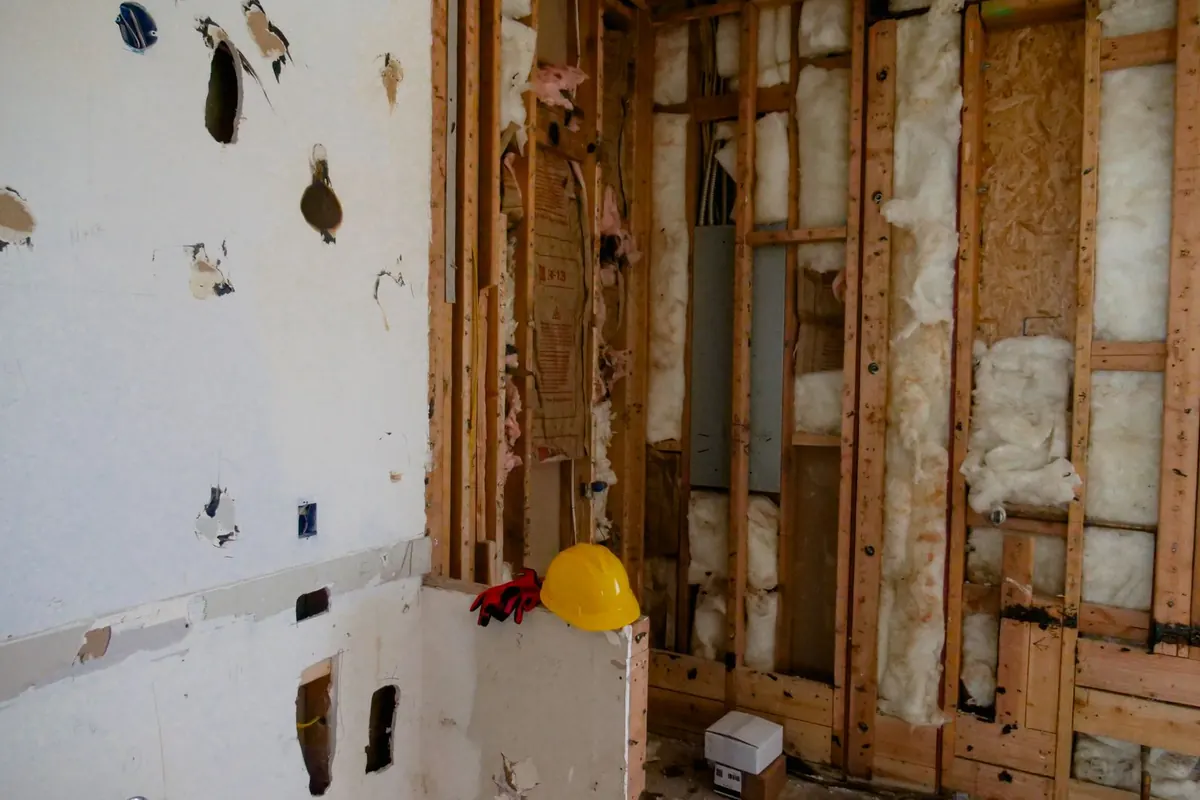
- Remove what cannot dry. Wet carpet pad, swollen particleboard and the bottom of soaked drywall are cut out. A clean flood cut at 2 or 4 feet lets the wall cavity breathe instead of holding water behind the paint.
- Dry the structure. Dehumidifiers and air movers run, usually three to five days, while we take readings each visit and move equipment as areas dry.
- Treat and close out. Exposed framing and block are cleaned and treated, and we hand over a dry, documented space ready for drywall and paint.
Clean, gray and black water
Restoration standards sort water by what is in it. A burst supply line or a fresh AC overflow is clean water and the most forgiving. Water from a washing machine, dishwasher or a toilet without waste is gray water and needs more removal and sanitizing. Storm surge, sewage and anything that has sat for days is black water: porous materials it touched come out, full stop. The category sets the scope, and the scope sets the price, so we tell you which one you are dealing with at the first visit.
Typical costs in Boca Raton
| Job | Estimate | What it covers |
|---|---|---|
| Water extraction and dry-out, one room | $1,200–$3,500 | Clean-water leak caught early; three to five days of equipment |
| Several rooms, clean water | $3,500–$9,000 | Burst supply line or AC overflow that spread |
| Flood cuts and wet drywall removal | $2–$4 per sq ft of wall | Bottom 2 to 4 feet of drywall and wet insulation out |
| Gray or black water cleanup | $4,000–$12,000 | Appliance discharge, toilet overflow or storm water; more removal and sanitizing |
Estimates only, compiled from South Florida contractors' published figures and national cost guides and checked in October 2026. A written scope after the first visit gives your actual number, and most insurers want that scope anyway.
Where the water usually comes from here
- AC condensate. Clogged drain lines and rusted pans in the air handler closet are the most common source we see; see AC and duct mold.
- Supply lines. Braided lines to toilets, sinks, ice makers and washing machines fail without warning, often while owners are away.
- Water heaters. Tanks in garages and interior closets leak at the base or the relief valve.
- Roofs and windows. Wind-driven rain in hurricane season gets past tiles, flashing and old window seals.
- The unit upstairs. In condos, a neighbor's leak can arrive through your ceiling before anyone upstairs notices.
Insurance and paperwork
Most Florida homeowners policies treat sudden, accidental water damage differently from slow leaks that went on for months, and many cap mold coverage at a fixed amount. We do not decide coverage, but we document what we find: moisture readings, photos, the source and a line-by-line scope. That record is what an adjuster asks for. If mold has already started, see mold remediation in Boca Raton, or have the extent checked first with a free mold inspection.
Water damage restoration: common questions
How fast does mold grow after a leak?
Mold can start on wet drywall, wood or carpet within 24 to 48 hours in warm, humid conditions, which describes most of the year in Boca Raton. That is why extraction and drying should start as soon as possible.
Can wet drywall be dried instead of replaced?
Sometimes. Drywall wet with clean water for a short time, with no swelling or staining, can often be dried in place. Drywall soaked for days, wet with gray or black water, or already stained usually has to come out.
How long does drying take?
Most clean-water jobs dry in three to five days. Concrete block, thick slab and hardwood floors can take longer. We take readings each visit and remove equipment once the materials reach normal levels.
Do you rebuild after drying?
Our work ends with a dry, clean and treated structure. We can point you to drywall, flooring and paint contractors for the rebuild, and our documentation helps them quote it.
Last updated October 8, 2026